
Touch Grass
Nature As Pedagogy

This article is also published in the Metanoia magazine (https://metanoia-magazine.com/)
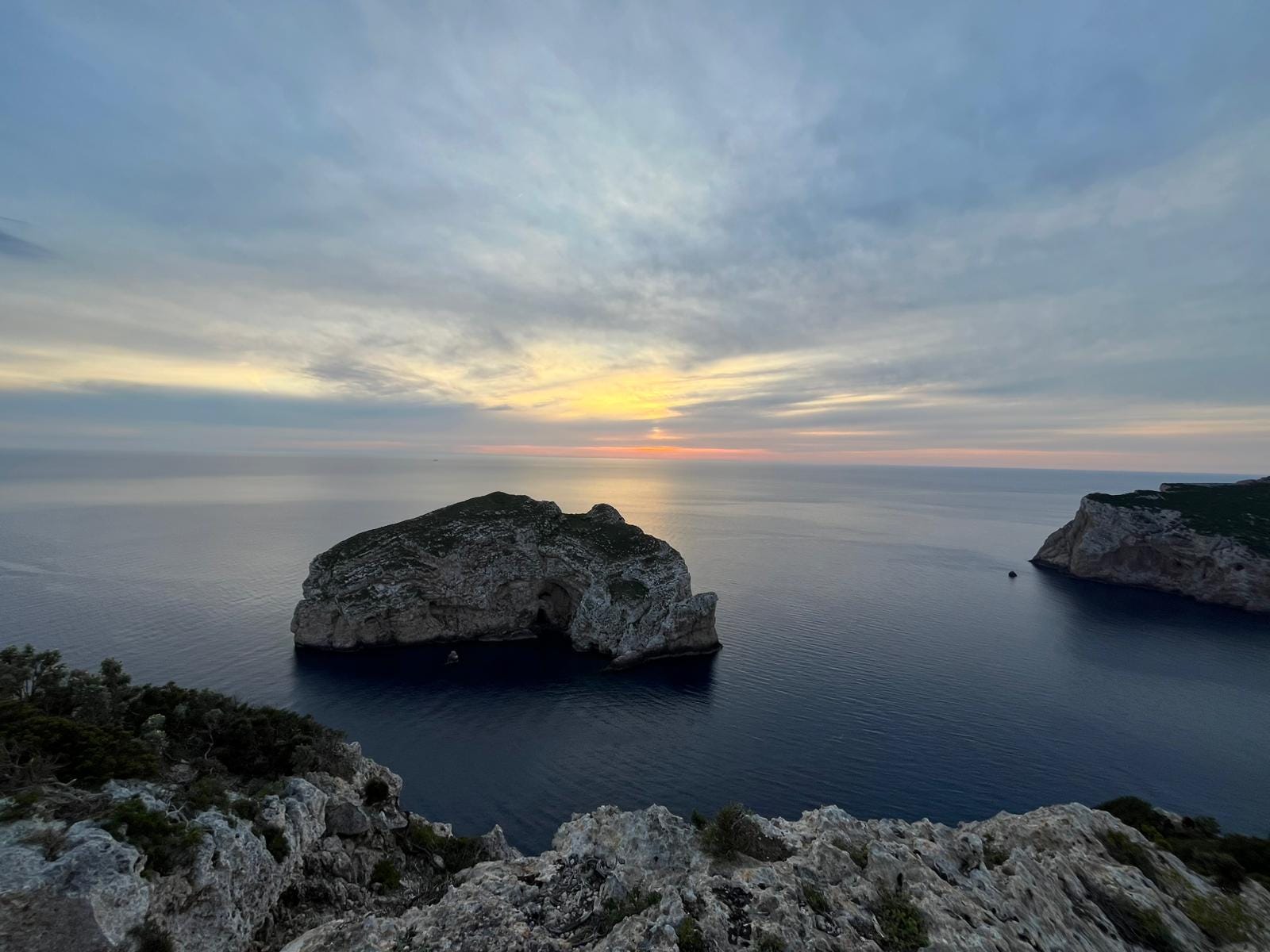
My earliest memories are of playing outside with my parents and my big brother. The overhanging sky turned a flaming gold as the sun set. I twirled a blade of grass in my tiny hand. My fingertips rubbed over its tiny, smooth ridges, the air around me full of the taste of spring. A chorus of crickets filled the air as we walked around the block at dusk. All that time, I thought to myself, “This world is beautiful.” Though I had no universal definition of beauty, I knew what beauty looked like, smelled like, sounded like, felt like. I could contemplate the world in a child-like way.
According to St. Thomas Aquinas, contemplation is the highest good because it is enjoyable for its own sake.1 We naturally desire to know as rational beings and want to understand truth. Through the emotion of wonder we enter contemplation, as mentioned by Socrates in the Theaetetus.2 However, this emotion does not bypass the physical world in order for us to grasp truth, goodness, or beauty. Rather, these transcendentals exist within created things, encountered through the mediation of our senses. Contact with the created world is how we reach and contemplate the transcendentals.
The created world is the primary object of our knowledge; all knowledge, as Aristotle states, begins in the senses. Any universal concept we grasp is abstracted from sense images obtained through experiencing the world. Young children, as pointed out by Maria Montessori, are especially calibrated to experience the world through their senses. For this reason, children are given toys which have various colors, shapes, and textures in order to draw connections to tangible reality.
Since the natural world possesses colorful seasons, vibrant sounds, and wonderful creatures, children should spend plenty of time outside. When exploring the natural world, they engage all of their senses in an immersive experience. Children can run through the grass, chase butterflies, smell the air after rain. The created world is not only a delight of sights and sounds; it is also pedagogical. Children can understand color by viewing a summer sunset, the roughness of tree bark through climbing the trees in the backyard. When hearing the crickets singing, they will know the sound of chirping. Without sensory experience, the universals cannot form in the mind. It is best to allow a child to have contact with the particular in order to move towards the universal.
When a child experiences these universals, he can grow in wonder. Wonder is a movement which shocks the person out of everyday life and moves him to contemplation.3 Children see the stars in the night sky and take in their brightness against a black dome. They are moved with awe and curiosity. “Why are the stars so bright?” they may ask. “Why are there so many? Why can’t I see them during the day?” All of these questions are not merely to be answered by empirical sciences; they are to be pondered and contemplated. We marvel at creation for its own sake.4
Children’s wondering about the world is a form of leisure. Josef Pieper defines leisure as “a receptive attitude of mind . . . [which allows] the capacity for steeping oneself in the whole of creation.” Leisure finds completion in affirming what is good. It assumes its highest form through festivity.
Festivity is celebrating and taking delight in creation as meaningful and good in itself. Celebration takes the child into deeper contemplation of reality. Because he is shocked by the splendor of creation and is delighting in it, he can question and wonder about it. All of the “why” questions which a child asks his parents are practice for knowledge of immaterial reality. This practice will prepare the child for deeper contemplation later in life.
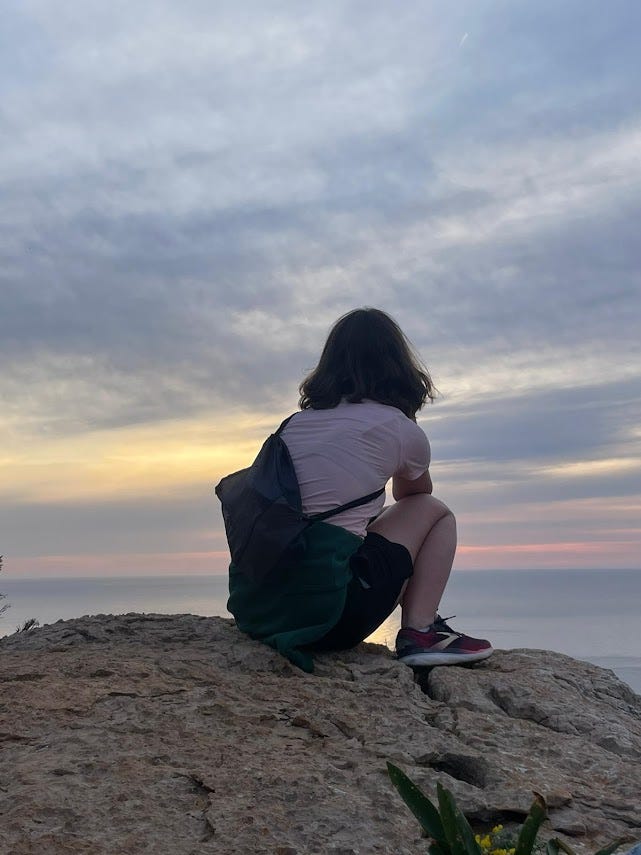
Being outside and experiencing the world of God’s creation is good and wonderful. When watching a sunset, we are drawn to see something beyond the sunset—beauty and goodness. Created reality is pedagogical in nature, and so we must continue to venture out in the world.
Therefore, I challenge you: touch the grass with your bare feet. Feel the summer winds as you rush through the fields chasing fireflies. Smell the flowers. Watch the sun paint the sky as it rises and dips behind the horizon. Let the wonder fill you and lead you further up and further in.
ST I, q. 180, a. 7.
Plato, Theaetetus, 155b.
Josef Pieper, Leisure: The Basis of Culture (San Francisco, CA: Ignatius Press, 2009), p. 133.
Ibid, p. 146.
Beautiful! Nature is the best of teachers, but screen-addicted persons make bad students. Destroy the screens!